Development
At Emerge, we understand that a successful student housing development project begins long before the ground is broken. Our comprehensive market analysis is designed to identify universities that are on the cusp of growth in fields critical for future job creation. By focusing on institutions with solid endowments and funding capabilities, we ensure that our projects are not only sustainable but also positioned to attract high-caliber students. This strategic approach allows us to pinpoint opportunities in burgeoning markets, setting the stage for impactful student housing developments that meet the evolving needs of students and the communities they inhabit. Through diligent research and collaboration, we lay the foundation for successful site selection and execution, ultimately driving enrollment and enhancing campus life.
Market Selection
We target growing universities with strong institutional investment, durable enrollment drivers, and unmet housing demand. Our analysis considers enrollment trends, academic programs, university capital plans, competitive supply, rent sensitivity, and each market’s long-term outlook.
Site Selection & Entitlements
We focus on irreplaceable locations with high barriers to entry – often assembling parcels over time or working closely with municipalities to reposition strategically located sites. Our goal is simple: create communities where students can conveniently access campus, dining, and everyday activities.
Development
Successful student housing begins with understanding the university, the market, and the students who will call the community home. Emerge combines disciplined analysis, strategic site selection, thoughtful design, and local collaboration to create communities positioned for long-term success.
Programming & Design
No two university markets are alike. Before programming a project, we spend meaningful time in the market and speak with university representatives, local stakeholders, property operators, and students. Those insights inform unit mix, pricing, parking, amenities, security, and the details that make a community function well.
Regardless of the motivations, these relationships are invaluable in shaping the development and guiding key decisions, such as unit mix, size, finishes, amenities, and addressing common resident concerns. They also help us identify upgrades that add real value. Through site visits and the relationships cultivated along the way, we can fine-tune essential elements of the project, including clubhouse design, parking configurations, and subtle but impactful details like pool layout and location.
When it’s time to begin leasing, these relationships offer critical insights into the most effective marketing strategies for that specific market—whether through on-campus housing fairs, university events, student-led organizations, athletic sponsorships, digital campaigns, etc. This market knowledge ensures that lease-up marketing dollars are used efficiently, allowing us to allocate resources toward the strategies that have proven successful in that region. Finally, these relationships provide a deeper understanding of the local labor market, which becomes invaluable when recruiting staff for the development.
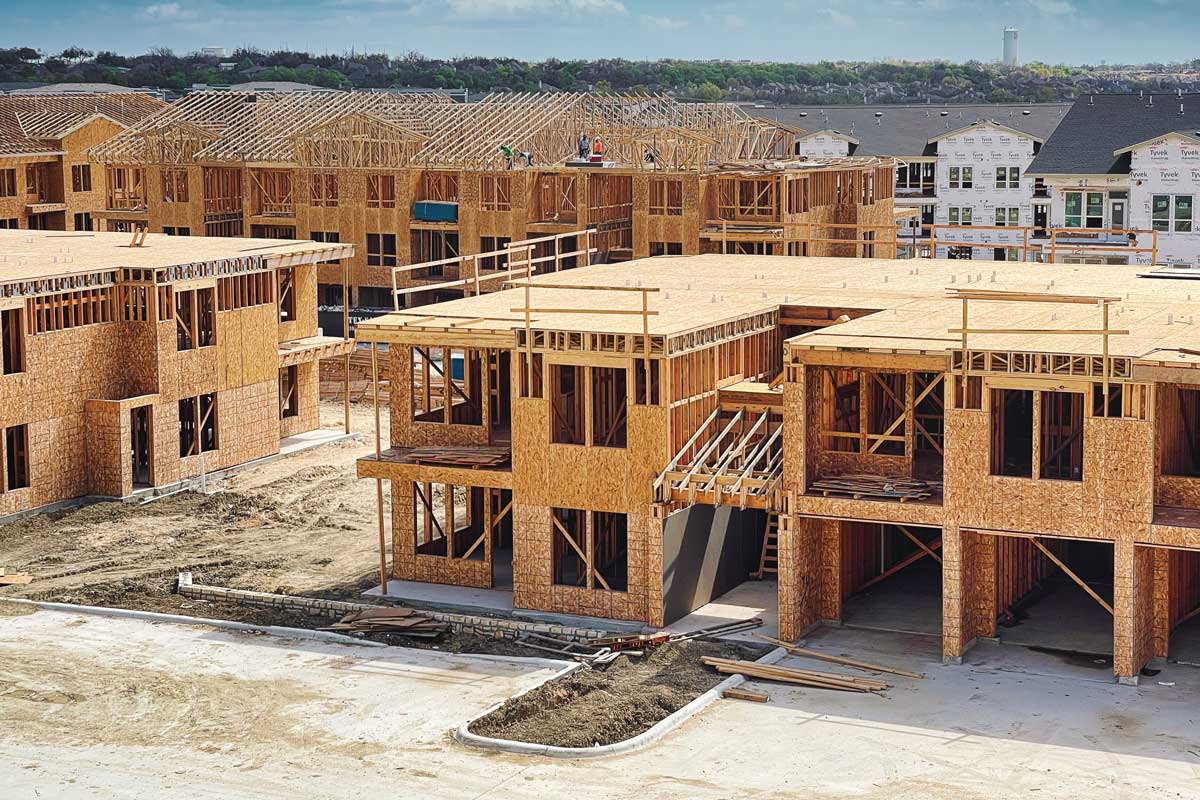
Construction & Execution
Our long-standing relationships with architects, contractors, consultants, and lenders create continuity throughout the development process. With each project, we refine our designs, identify value-engineering opportunities, and apply lessons learned to improve efficiency without compromising the resident experience.
Valued Partners
Below are some of these valued partners in the industry, though this is by no means an exhaustive list.








Marketing & Lease Up
Marketing begins well before opening. We create a market-specific lease-up strategy based on the university calendar, student preferences, competitive positioning, and local partnerships. Our development and operating teams work together from the outset so the brand promise carries through to the resident experience.
Local & University Partnerships
We engage universities and municipalities early to understand their priorities and align each development with the broader community. These relationships improve decision-making, reduce avoidable redesign, and help create housing that meets current and future needs.